 Last night the
students in my "Psychology of Dreaming" course at John F. Kennedy University
turned in their first assignment of the quarter: a personal sleep history from
childhood to the present. I like to
begin my dream classes with a focus on sleep because it’s a great way to jar
people into taking a fresh look at the nocturnal dimension of their lives. Most people have never reflected on their
sleep patterns or thought about sleep in relation to their life’s development
and growth over time. When they’re
encouraged to do so, the results are often startling. As soon as I opened the discussion in class
last night, one of the students quickly raised her hand. I called on her, and with no further ado she
declared:
"I’m 45 years old,
and I just realized I’ve been sleep deprived for the last 40 years!"
Several other
students followed with their own tales of sleepless woe, just like I’ve found
every time I give this assignment in a class and just like I found in the
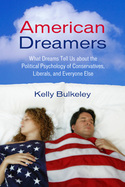
research for American Dreamers. The
conclusion is hard to avoid: We are becoming a chronically sleep-deprived
nation. Problems with sleep afflict a
surprisingly large number of people in contemporary American society, and we
don’t really know how widespread these problems are or how they impact people’s
long term health and well-being.
As described
in a recent NPR interview with Dr. Helene Emsellem, a number of simple
behavioral changes can improve people’s chances of a good night’s sleep. And an op-ed essay in the New York Times a
couple weeks ago by Nancy Kalish made a strong case for high schools starting
their first classes later in the morning, to allow teenagers an extended
opportunity for the psychophysiological benefits of sleep. These are good ideas, and they can help
soften the anti-sleep pressures of the modern world.
The findings I
present in American Dreamers point to something not mentioned in recent media
discussions of sleep deprivation, and that’s the impact of economic anxiety on
sleep. Although my primary focus is on the political dimensions of dreaming, I quickly
realized as I did the research that people on both sides of the partisan divide
are deeply worried about their financial circumstances. Their economic anxieties haunted their sleep,
diminishing the amount and quality of their nightly slumber and brooding over
their dreams in the form of work- and money-related nightmares.
In recent days
global stock markets have dropped sharply on fears of a U.S. recession. If indeed we are heading into a major
economic downturn, I predict a corresponding rise in national sleep
disturbances as Americans become more and more anxious about their money
problems. That raises the specter of a
vicious cycle for people at the lower end of the income scale: The effects of
sleep deprivation include loss of physical coordination, mental sharpness, and
emotional self-control, all of which diminish an individual’s ability to
function effectively in our economic system.
I have no
magic wands to wave, but I do believe our best hope lies in the power of
creative imagination, expressed in both dreaming and waking—the ability to look
beyond the gloomy, dispiriting difficulties of the present to envision a better
future in which the economy supports and sustains the people, not the other way
around.
Dr. Kelly Bulkeley, author of American Dreamers: What Dreams Tell Us about the Political Psychology of Conservatives, Liberals, and Everyone Else, is a
visiting scholar at the Graduate Theological Union and a faculty member in the
dream studies program at John F. Kennedy University. A former president of the
International Association for the Study of Dreams, his other books include
Dreaming Beyond Death: A Guide to Pre-Death Dreams and Visions, Dreams: A
Reader on the Religious, Cultural, and Psychological Dimensions of Dreaming; Dreams
of Healing: Transforming Nightmares into Visions of Hope; and The Wondering
Brain: Thinking about Religion with and beyond Cognitive Neuroscience.

 Beacon Broadside
Leave a comment