By Kay Whitlock and Michael Bronski
“Definitions of hate are never constant; they shift, focus, and refocus in relationship to events. During war, racial hatred looks like patriotism.”
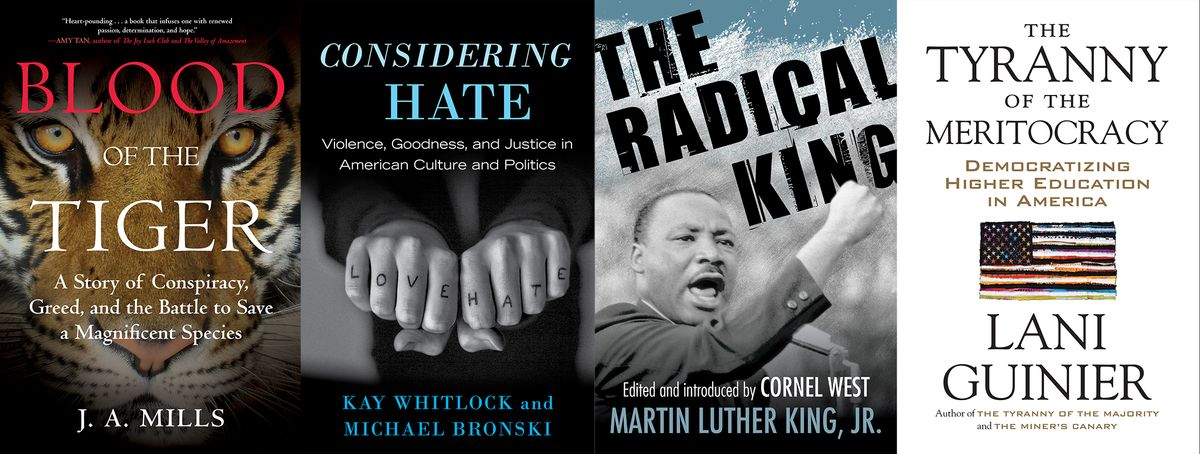
—Considering Hate: Violence, Goodness and Justice in American Culture and Politics
The outpouring of outrage and concern following the lethal shooting of twelve people at the offices of Charlie Hebdo, a satirical French magazine is understandable.
Many people want to express their shock and grief. They want to stand against the censoring, repressive, and violent impulses represented—symbolically and actually—by the gunmen.
There is no ethical justification for the killings. None. No one “deserved to die.”
Yet the reaction to these tragic killings seamlessly moves forward within an easily manipulated narrative. This story is compellingly shaped by the twin themes of terrorism and destruction of freedom of speech. Because this narrative is framed by the politics of fear, resentment, and vengeance, it has become as volatile and potentially incendiary as the actions that produced it.