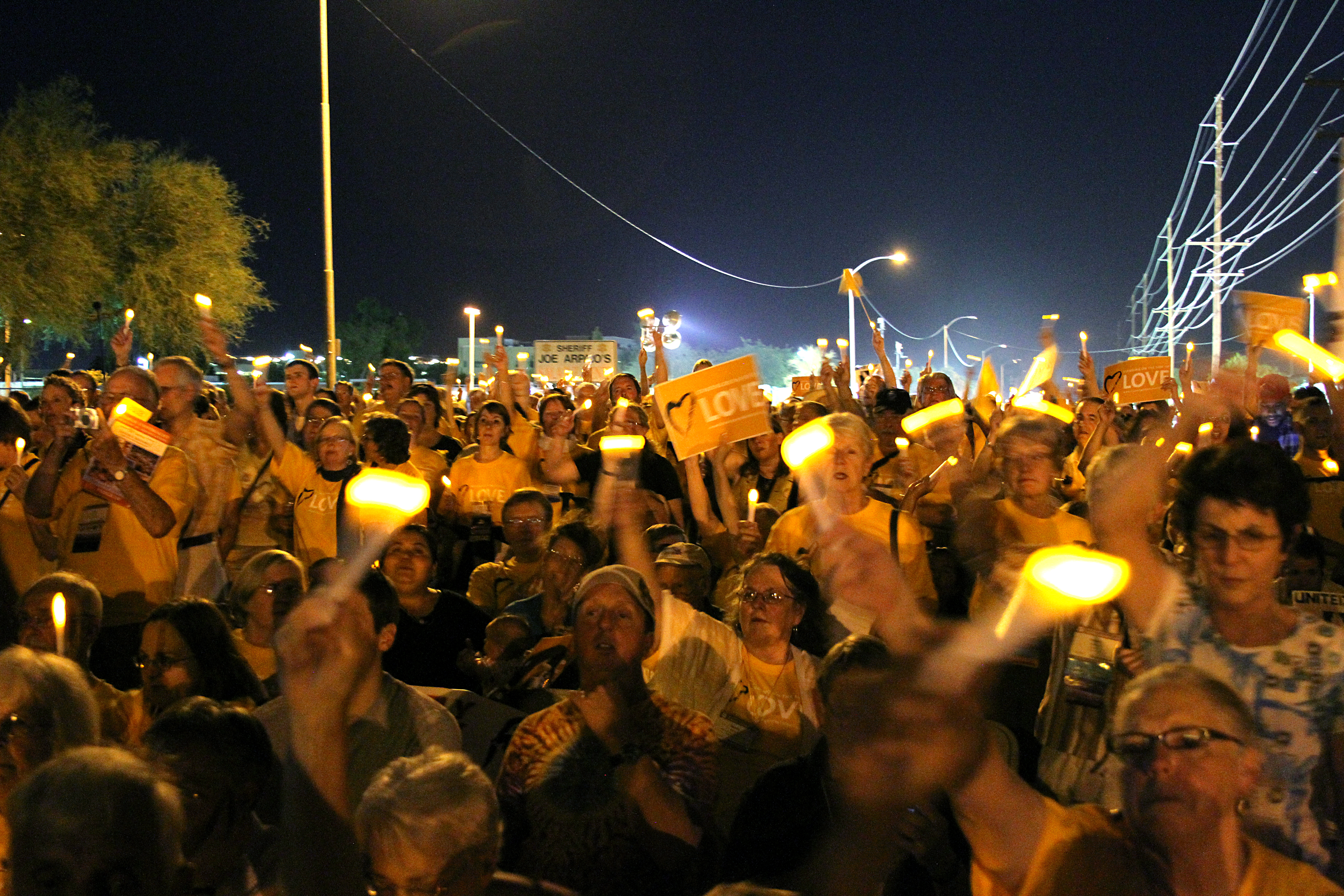
This week is the final week of this year's 30 Days of Love, a project sponsored by the Unitarian Universalist Association that aims to "harness love’s power to stop oppression" through a combination of community activism and outreach. The annual effort is an outgrowth of Standing on the Side of Love, a movement that began in the aftermath of a tragedy: In 2008, two Unitarian Universalists were killed and several more seriously injured in a church shooting in Knoxville, Tennessee. Targeted because of their "liberal" values of acceptance, the congregation was flooded with support and messages of love from the greater Knoxville community, cementing the movement's core idea that love is the key to overpowering oppression.
-
On November 26th, two trailblazing Beacon authors, Cornel West and Bill Ayers, stopped by our offices. Ayers' new book, Public Enemy: Confessions of An American Dissident, had recently been published and, although he was concluding a whirlwind 22 city tour, he was astonishingly energized.
-
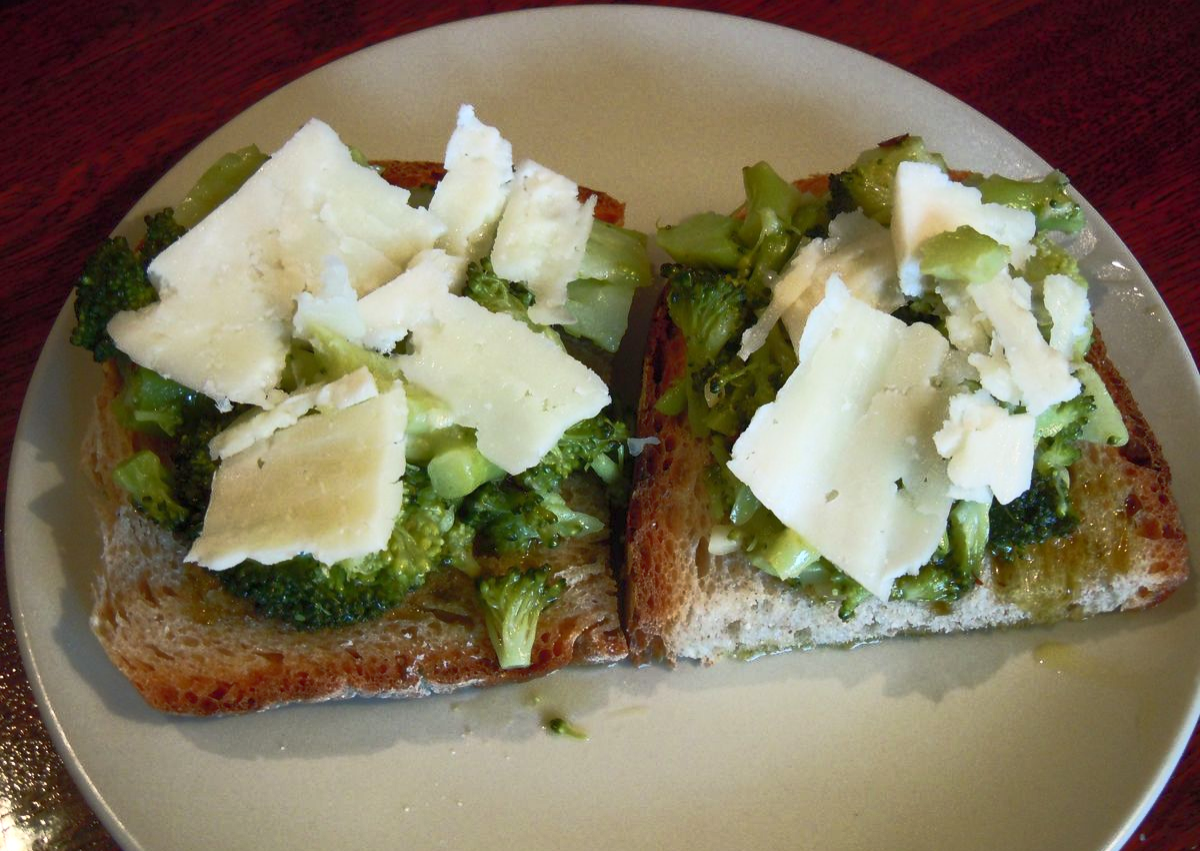
I understand the United States is having one of those big sports moments when football fans come together to eat their favorite foods and see who will become champion. I believe it’s tradition that football and crunchy snacks go together. Why? That’s a question too big for an answer. Unfortunately, and especially when children are involved, the temptation is to get that satisfying crunch from chips, or some other form of convenience (i.e.: junk) food.
I admit I have been known to hover too eagerly over the potato chip bowl at children’s birthday parties and other events. But I like it when there’s a platter of something perhaps a little more wholesome available as an alternative or just in addition to all the other food.
So what if you like football, you like crunchy snacks, but you don’t really want junk food?
-
During the early days of my life in Rome, before I had a child, when there was just my husband James and I getting to know our new home by walking all over the city, eating in little restaurants, learning to cook by shopping in our local market, among my first impressions of life in this city was the pleasure people seemed to take in the simplest of meals. The anxieties that I often felt about eating, about making healthy choices melted away in the presence of all this delight in food. Objectively, much of the food could be considered healthy—the bean soups, the bitter greens—but health wasn’t the objective. James observed that we as outsiders could never completely understand the deep joy the Italians around us experienced when presented with a plate of pasta. A good fresh plate of ravioli with sage and butter continually reminds them of their own lives, their own history; it is a part of who they are.
So when some friends suggested that we spend a Saturday cooking dinner together with our children, I felt it was a good opportunity for my son to see how this attitude toward food is passed to another generation.
-
“[Students] are in reality standing up for the best in the American dream. . . . One day historians will record this student movement as one of the most significant epics of our heritage.” —from “The Time for Freedom Has Come”
In the fall of 2011, some of our staff at Beacon, Random House, and the literary representative for the Dr. Martin Luther King, Jr. Estate brought together a blue-ribbon panel of educators, including teachers, librarians, and administrators to discuss how to better teach Dr. King in 21st century classrooms. The first question we asked was whether teachers wanted books, and their response surprised and gratified us. One by one, they responded with a unanimous yes. “Students respect books,” remarked one educator. Others lamented about the mass amounts of incorrect information and untrusted resources online. One teacher even brought in a mess of photocopied pages from various websites, frustrated that this was how she was forced to teach Dr. King’s work in her classes.
-
Editor's Note: Jeannie Marshall's new book, The Lost Art of Feeding Kids, tells the lively story of raising a child to enjoy real food in a processed world, and shows the importance of maintaining healthy food culture. Available now from Beacon Press. See below for more information.
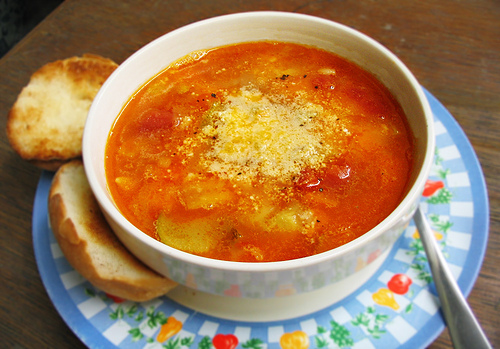
It’s winter in Rome. When I was growing up in Canada, winter was something you braced yourself for (and having just spent the holidays in Toronto, I remember why). But winter in Rome is a gentle season. There is a little rain, a little sun, and it gets just cold enough to make soup. In January when I ask people what they’re having for dinner, the answer most often is “a little minestra.” It’s a simple, warming, comforting, traditional vegetable soup that can include beans and pasta. I think it turns up on the table so often in January because it’s light fare after all the December excess, it’s economical because it uses up the vegetables in your fridge, and yet it’s still substantial and satisfying. While there is a method for making a good minestra, there isn’t an exact recipe. My son will tell you that it must include zucchini flowers because the first minestra he helped to make at his preschool included them. He still believes they are the secret ingredient in a superior soup. But the slow cooked soup blends the flavors of the vegetables, rather than singling out any individually, into something that is at once distinctly minestra and at the same time slightly different from every other minestra.
Minestra is a way to use up that last quarter of a cabbage, the last zucchini or two sitting in your crisper drawer, even the stems from swiss chard, the cauliflower core, the broccoli stalk, and certainly one of the many parmesan rinds that seem to breed in the tiny freezers of Italian refrigerators. I know some home cooks who save the less beautiful pieces of their vegetables during the week to make a minestra on the weekend.