• By Louise Steinman

    I first heard of the idea of “Polish-Jewish” reconciliation from my Zen rabbi, who often evoked the most radical commandment in Judaism in his Friday night talks: “You shall love the stranger as yourself, for you were once a stranger in Egypt, and you know the heart of the stranger.”

    This week, Jews are obligated to commemorate the liberation from slavery in Egypt with the Passover seder. The observance demands that we ask questions, sing songs, even argue—all in the service of keeping alive a story that we’ve told and retold through the millennia. We are asked to “enter” the story, to imagine that we ourselves were slaves, that we wandered in the desert for forty years. 

    The image of the Passover seder plays a central role in both my memoirs—The Souvenir and The Crooked Mirror. The Souvenir is based on my discovery, after my father passed away, of hundreds of letters my father wrote to my mother during the Pacific War, as well as my discovery in those letters of a war souvenir—a bloodied Japanese flag—which bore the name of a Japanese soldier named Yoshio Shimizu.

    (more…)

  • By S. Brent Plate

    Christianity would not exist without bread. Or if it did, the tradition would be in a form unrecognizable to Christians then and now.

    A companion is someone we share bread with. That’s what the word companion literally means: from com meaning “together,” and panis meaning “bread.” When company comes over, we break out the bread. Bread is a pervasive symbol of being together, of gathering, of community, a symbol that we engage, chew, taste, swallow, and digest in the presence of others. Historians of social life are clear that commensality, eating together, has been vital to ongoing political power, and peaceful coexistences, while a Moroccan proverb tells us, “By bread and salt we are united.”

    (more…)

  • By Alex Shoumatoff

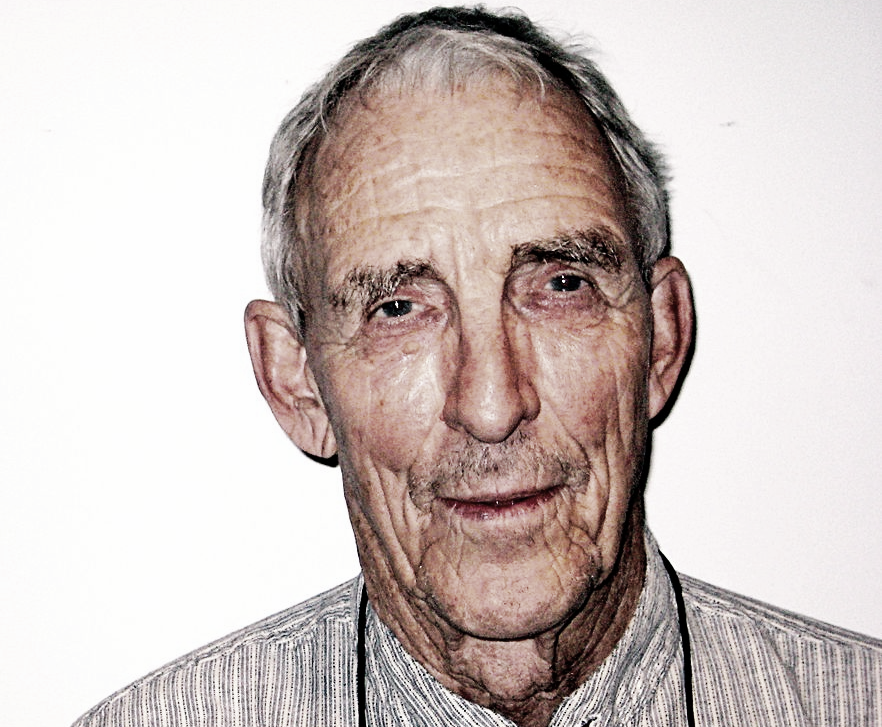
    Peter Matthiessen in 2008 (courtesy Melissa Eagan, WNYC New York Public Radio)

    Peter Matthiessen in 2008 (courtesy Melissa Eagan, WNYC New York Public Radio)

    Peter Matthiessen was a mentor and model to me in the early seventies, when I was dropping back in after the mind-blowing sixties. I had lived in the New Hampshire woods with my “old lady,” and there, as my mother put it, “nature hit me,” which was not surprising, as I come from a family of Russian explorers, naturalists, and natural scientists. My dream to become the next great poet in the great tradition, the next T. S. Eliot, had morphed into wanting to be the next Bob Dylan, and that dream too had run its course.

    In 1971, I came obsessed with birds, and was making watercolors of them and keying them out in the Peterson field guide, and taking copious notes in my journals. Writing about nature, having read Wordsworth, Yeats, Cowper, Frost, and other poets who wrote so beautifully about their natural surroundings, came naturally. Having been on the Harvard Lampoon, when in New York I would usually visit George W. S. Trow, the Lampoon’s editor-in-chief two classes ahead of me who was now writing for the Talk of the Town and producing long elegant profiles at the old New Yorker’s Dickensian offices at 25 West 43rd Street. Trow introduced me to the finely crafted literary journalism of John McPhee, who also wrote beautifully about nature in his portrait of the New Jersey Pine Barrens, for instance.

    (more…)

  • By Rob Arnold


    Mary Oliver's incantatory poem “Night and the River,” first published in the 2008 collection Red Bird, is full of the mystery and natural wonder that have come to define Oliver’s unique vision, a vision that has, over her extraordinary fifty-year career, made her into one of the most beloved living poets we have. But there's something unexpectedly haunting, slightly frightening about this poem that makes it stand out even in her vast oeuvre. All the elements add up to an experience that's less ephiphanic than unforgettable: the moonlit silhouette, the predator's act of violent consumption, the narrator’s vulnerability and empathetic ambivalence, and the memory of it all that is at first predatory itself—intruding on the narrator's consciousness even after she has returned to the safety of home—and then transfiguring. It is a terrific example of what a poet can do when operating at the top of her faculties, and of the powerful compression of poetry itself, containing both destruction and creation, darkness as well as light.

    (more…)

  • By Michael K. Honey

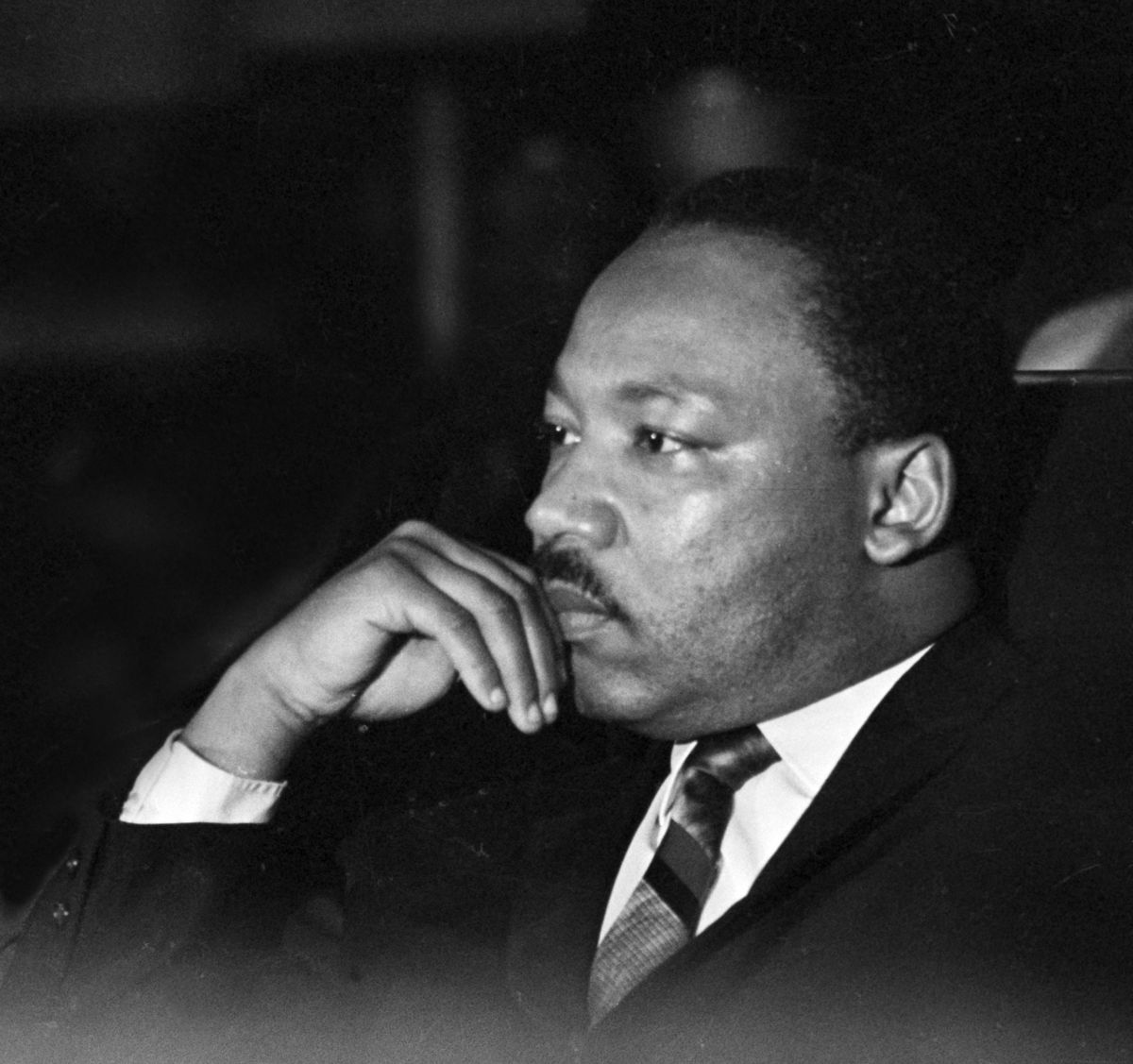
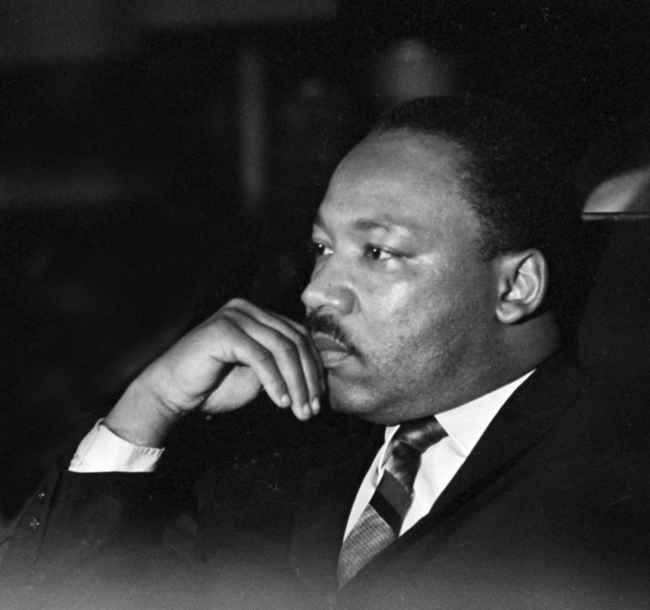
    April 4, 1968: Rev. Martin Luther King, Jr., just before making his final public appearance to address striking Memphis sanitation workers. King was assassinated later that day outside his motel room. (AP/Wide World Photos)

    April 4, 1968: Rev. Martin Luther King, Jr., just before making his final public appearance to address striking Memphis sanitation workers. King was assassinated later that day outside his motel room. (AP/Wide World Photos)

    Note: On March 18, 1968, Dr. Martin Luther King, Jr. first addressed the striking Memphis sanitation workers and their supporters. With no text beyond a few words sketched on paper, King pinpointed the issue in Memphis that affected workers everywhere, particularly those in the service economy and in municipal jobs. In a few words, King added union rights for the working poor to his campaign on behalf of the unemployed in both the cities and the newly mechanized cotton country. Memphis thus became the first real front of struggle in the Poor People’s Campaign. In the piece below, which originally appeared in “All Labor Has Dignity”, a collection of King's speeches on labor, Michael K. Honey places King's final speech on April 3, 1968, delivered the day before his assassination, in the wider historical context of economic justice, revealing King's commitment—tragically cut short—to aid the struggles of the working poor everywhere.


    “Let us develop a kind of dangerous unselfishness.” 
    —Dr. Martin Luther King, Jr.

    After Dr. King’s stunning March 18 speech, strike supporters made hurried efforts to bring him back to lead the united labor-community general strike that he had called for. Instead, supernatural forces shut the city down, in the form of a bizarre snowstorm in the South in the middle of spring. Reverend Lawson joked at the time that Mother Nature had fulfilled King’s demand for a general strike. When King finally did return to lead a mass protest march through downtown Memphis on March 28, angry youths, probably egged on by police agents, disrupted it, smashing windows and providing police with an excuse to go on a rampage. Mayhem and murder ensued. Some seven hundred people went to the hospital, and police killed an unarmed sixteen-year-old named Larry Payne. The national news media and reactionary congresspeople, baited by secret memos from the FBI spinning the events in Memphis, condemned King for “running” from the march (he had pulled out when it turned violent). Memphis had now put King’s Poor People’s Campaign trek to D.C. in jeopardy. King vowed to return to Memphis in his quest to lead a nonviolent march, despite opposition from his staff and a number of warnings that he would be killed if he did. He warned his parents and his wife that someone had put a price on his head. As he left Atlanta for Memphis, airline officials delayed his flight for an hour as they searched for a bomb after someone phoned in a death threat against him. On the evening of April 3, King gave one of his most dramatic and prophetic speeches. In the middle of a violent thunderstorm, with tornadoes and lightning touching down in the surrounding area, King arrived at Bishop Charles Mason Temple without a script, with a sore throat, and slightly ill. Violent weather prevented many people from coming, but nearly all thirteen hundred of Local 1733’s members came, as did some of their strongest strike supporters. To this humble gathering, King poured out his last testament. He looked back through all of human history to this particular moment in time and called on people to appreciate their opportunity to once again change history. King placed the Memphis movement into the context of the long struggle for human freedom, as he had done in his first speech in support of the Montgomery Bus Boycott that had begun in December 1955. And he reviewed his years in the freedom movement since that time with gusto and appreciation.

    (more…)

  • By Nancy Merrick

    Jane Goodall speaks at the World Bank in 2011 / courtesy the World Bank Photo Collection

    Jane Goodall speaks at the World Bank in 2011 / courtesy the World Bank Photo Collection

    Looks can be deceiving. The always tactful and elegant Maria Shriver found out firsthand one day when she called Jane Goodall to the podium in 2009 to award her the Women’s Conference Minerva Award.  Intending it as a compliment, Shriver offhandedly remarked that despite her “frail” appearance, Jane was a mighty woman.

    As Jane took the podium, she remarked that she was anything but “frail,” and proceeded to prove it by hoisting the heavy award trophy over her head. She then delivered an energetic acceptance speech and spoke of her tireless 300 day a year lecture tour, describing a schedule far beyond the reach of a fragile woman.

    I had to laugh, for I knew the minute that Shriver uttered the word “frail,” she had entered dangerous territory. I have had the good fortune to know Jane Goodall for 42 years, and I can guarantee you that she is anything but feeble. Jane runs on sheer determination, even now as she celebrates her 80th birthday.

    (more…)

  • By Bob Kosturko

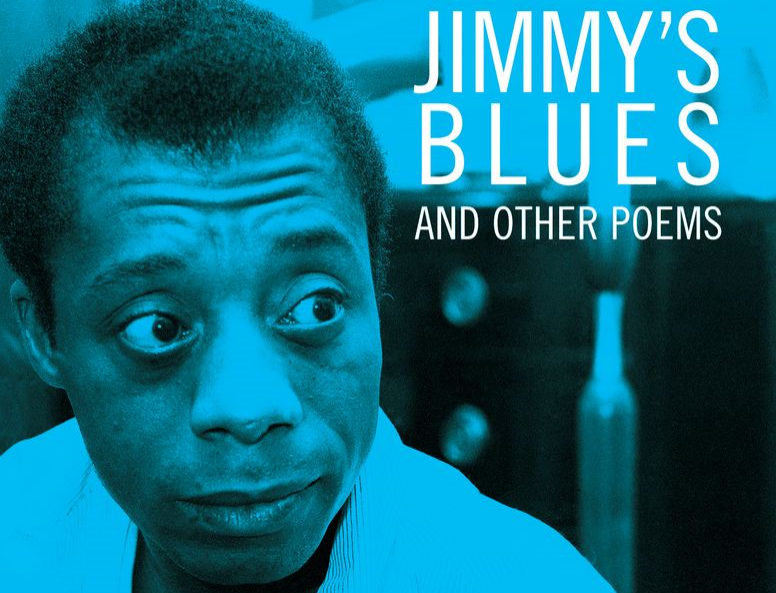
    BALDWIN-JimmysBlues

    Prior to the announcement that Beacon Press would be publishing a collection of James Baldwin’s poems titled Jimmy’s Blues and Other Poems, I had no idea Baldwin even wrote poetry. I knew Baldwin as an essayist—Notes of a Native Son and Nobody Knows My Name—and a novelist—Go Tell It on the Mountain and Another Country. After the book was launched, I eagerly read his poems and found his voice to be real and raw and darkly humorous too. This was a special project. One that required a different sort of cover treatment than most poetry books.

    (more…)

  • Honolulu_Police_Car

    Hawaii’s controversial prostitution entrapment laws have been in the news recently. As reported, Hawaiian law, until a few days ago, had allowed police officers to legally engage in sexual acts with prostitutes as part of their undercover assignments to entrap and arrest those prostitutes. After an uproar on the internet and in the news, lawmakers in Hawaii finally outlawed the practice.

    But even entrapment policies as extreme as this are nothing new, asserts activist and author Melinda Chateauvert. Her new book Sex Workers Unite makes the case that sex work should be not only be legal in the United States, but afforded the same rights and protections as other forms of labor.

    (more…)

  • By José Orduña

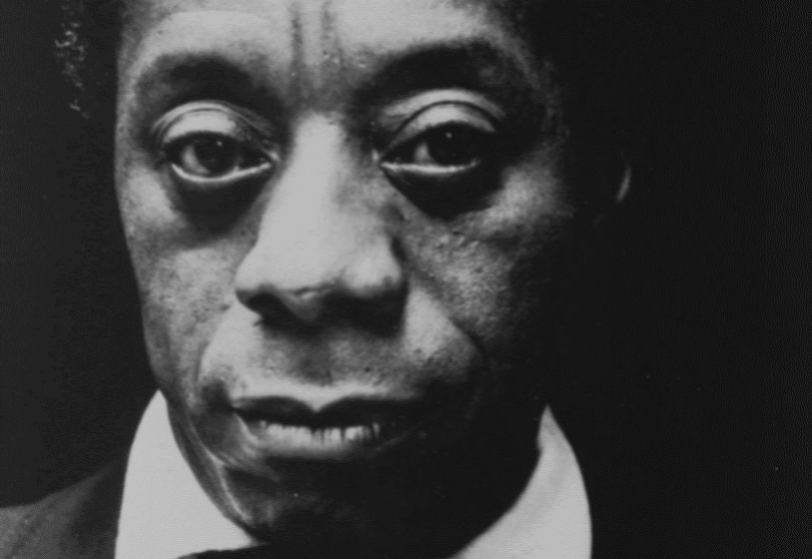
    James Baldwin

    When I was fourteen I was admitted to one of Chicago’s most prestigious college preparatory schools. The tuition was double what my parents paid for rent, and at times decisions had to be made about what necessity we would go without in order for me to continue attending. One autumn it was gas, and while I walked the school’s grounds, which had the ornate and sprawling quality of an Old World palace, I carried with me a secret: for weeks my morning showers were taken at the public park near our apartment. At about this time I started keeping a journal in which I wrote short descriptions of the objects that signified the extreme disparity between my private and public life. One entry was a description of the main hallway in which photo montages of each graduating class hung chronologically. At the south entrance, frame after frame was occupied almost exclusively by white men. A few frames down, a lone dark figure surrounded on all sides by what were now supposed to be his peers. I remember staring at his dark skin and into his inexpressive eyes, feeling that I knew something of the solitude he felt even though the peppering of color had become denser toward the end of the hall where my face would eventually hang.

    (more…)

  • By Eva Saulitis

    Kaj’s group swims beside the grounded and leaking Exxon Valdez on the day after the disaster, on Bligh Reef. (Rosemary Kaul / Los Angeles Times)

    In 1989, Eva Saulitis was a young researcher studying the orcas in Prince William Sound when on March 24th the Exxon Valdez ran aground on the Bligh Reef and began hemmoraging oil into what would become one of the worst spills in history. Her book, Into Great Silence, chronicles the fates of those many orcas devastated by the spill, including one group who lost fifteen members—nine in the first year, over a third of their population—and still has not produced a single calf in the 25 years since the event. Saulitis writes beautifully of the pain and guilt she and other researchers felt about their inability to staunch the tide: “I never want to leave the Sound, but especially not now. Because, unlike the younger me, I know what happens next. I won’t be able to stop it. No matter what, the oil will pour from the ship’s breached holds. The oil will spread. It will coat rocks and barnacles and kelp and otters and harbor seals and birds. It will kill orcas. It will change everything I know, everything I love.” In the excerpt below, Saulitis recounts the first days of the disaster, as the realization sank in about its scope and impact on the fragile ecosystems—and orcas—they had come to know and love.

    In Fairbanks, four hundred miles from the Sound, the spill remained abstract in those first days. A high pressure system held time and the snow-blanketed Alaskan Interior in suspension, the clear sky stretched taut as a seal skin tacked up to cure. For two days after the supertanker Exxon Valdez ran aground and spewed millions of gallons of crude oil into the Sound, the archipelago throbbed under that same dazzling latewinter sun. On those windless days, the oil spread in a slow-moving acre from the point of rupture, as though uncertain. Time was an open window, waiting. Something would be done, I thought, the oil boomed off, sucked up, burned. But little was done, and the window slammed shut.

    (more…)